
Creating and Implementing a Sobel Filter IP core on the PYNQ Z2 FPGA platform
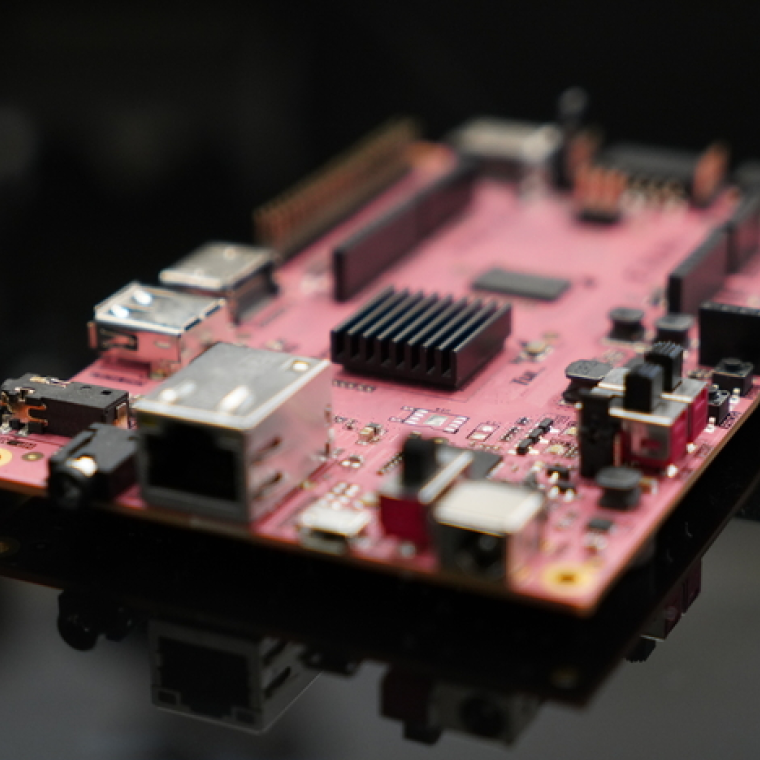
This blog post explores the development and implementation of Sobel filter IP core on the PYNQ Z2 FPGA. You will learn to design the filter in Vitis HLS, how to export and integrate the sole IP core in Vivado and finally control the Sobel (using DMA) in PYNQ Jupyter Notebook.
Od Belišća do svemira: Prvi put se softver jedne hrvatske tvrtke koristi na Zemljinom satelitu

Prije dva dana tvrtka Protostar Labs primila je vijest o konačnim rezultatima projekta s Europskom svemirskom agencijom – njihov je kod uspješno implementiran na satelitu ESA OPS-SAT u Zemljinoj orbiti. Prvi je to put da je jednoj hrvatskoj tvrtki to pošlo za rukom. Naime, u sklopu projekta tim Protostar Labsa razvio je i na satelitu primijenio vlastite algoritme za detekciju anomalija, a sve kako bi otkrili nepravilnosti u telemetrijskim podacima.
Protostar Labs joins NVIDIA Inception
We are excited to announce that Protostar Labs has joined NVIDIA Inception, a program that nurtures startups revolutionizing industries with technological advancements.
Protostar Vision Box – Part 5: Well, that didn’t go as planned…

Welcome to the last part of our series of blog posts for Protostar Vision Box. Now, after everything we’ve shown you so far, it’s time to share some of our mistakes and what we learned.
Protostar Vision Box – Part 4: Roses are red, bottle caps are blue…
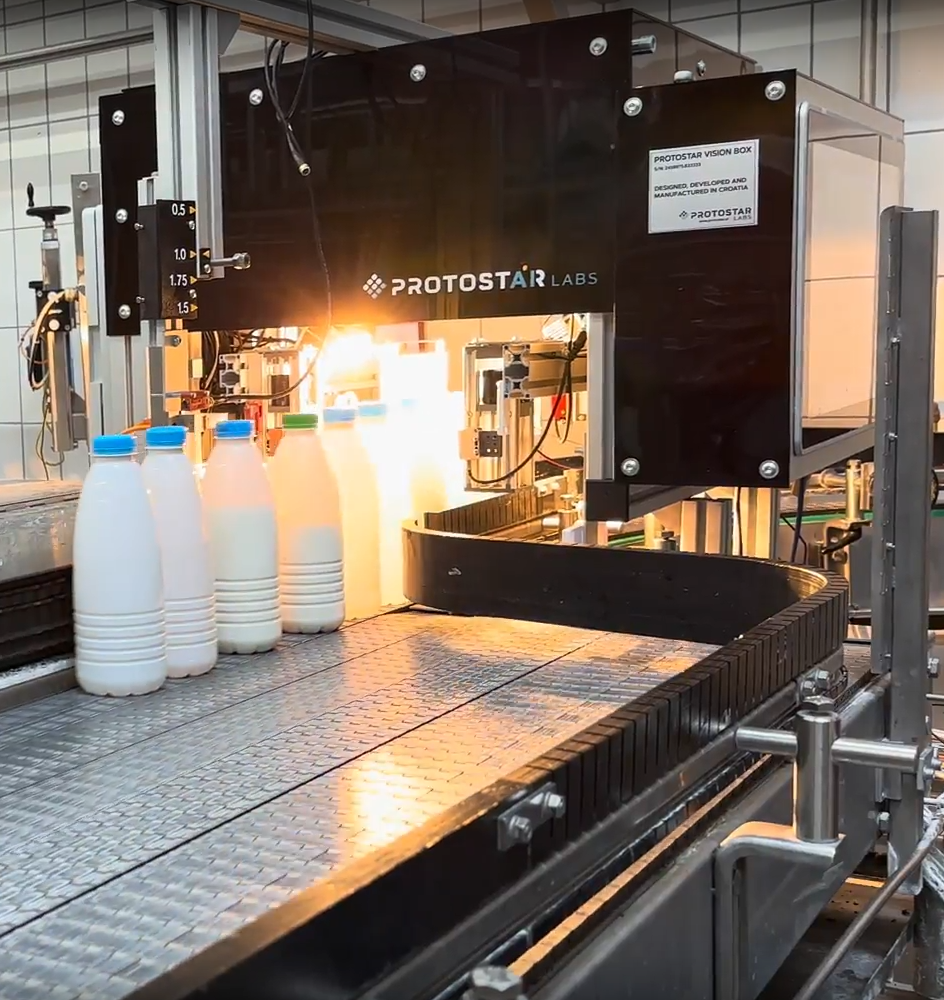
We continue with a series of posts about Protostar Vision Box. This article explains our approach to the bottle cap color recognition problem in a real industrial application. The solution to this problem is important because of stray caps of the wrong color during production, which need to be separated from bottles with the correct cap color. This solution must be robust and precise as well as light and fast, since cap color recognition is just one of many other inspections that need to be performed on every bottle that arrives on the conveyor belt.
Protostar Vision Box – Part 3: Bottle cap defect detection

This is the third part of our series of blog posts on Protostar Vision Box. Last week, we showcased the sensor suite. Today, we are going to showcase the defect detection AI algorithm, how it was trained and implemented.
Protostar Vision Box – Part 2: Sensor suite

This is the second part of our series of blog posts on Protostar Vision Box. Last week, we showcased the hardware and lightning design. Today, we are going to discuss the sensor suite, how to choose the right sensors for the job and how we implement them in Protostar Vision Box.
Protostar Vision Box – Part 1: Lights, camera, action!
Discover the first installment of our blog series, ‘Protostar Vision Box – Part 1: Lights, Camera, Action!’ for a behind-the-scenes look at the innovation, challenges, and the power of vision in this groundbreaking technology.
Protostar Vision Box – from idea to solving industry problems
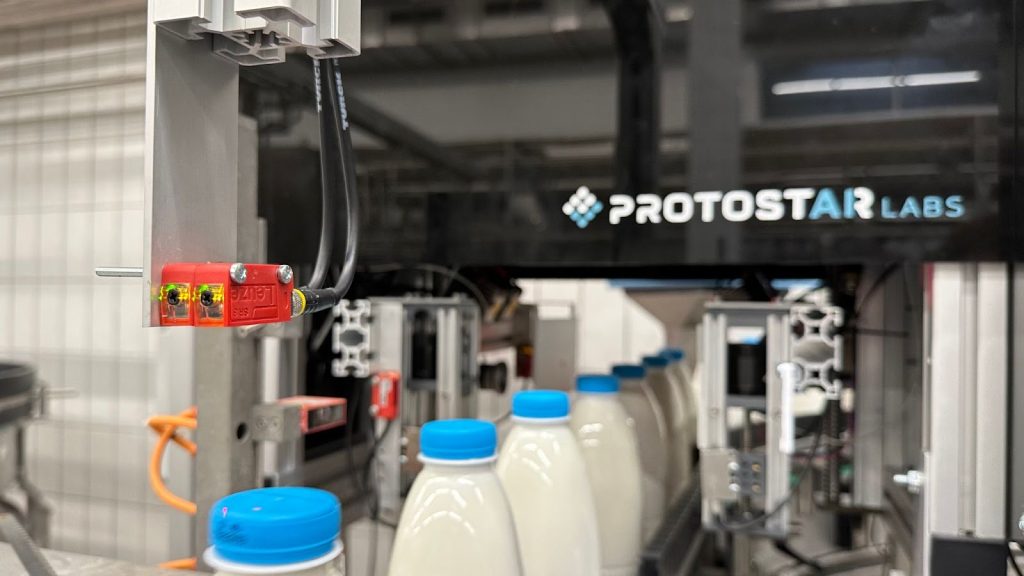
Welcome to the introduction to what will be a 5 *(-ish)* part series of blog posts regarding the Protostar Vision Box. This is a solution for visual inspection of various goods, powered by AI for near perfect defect detection.
Deep Learning on FPGA: From Model Training to Inference
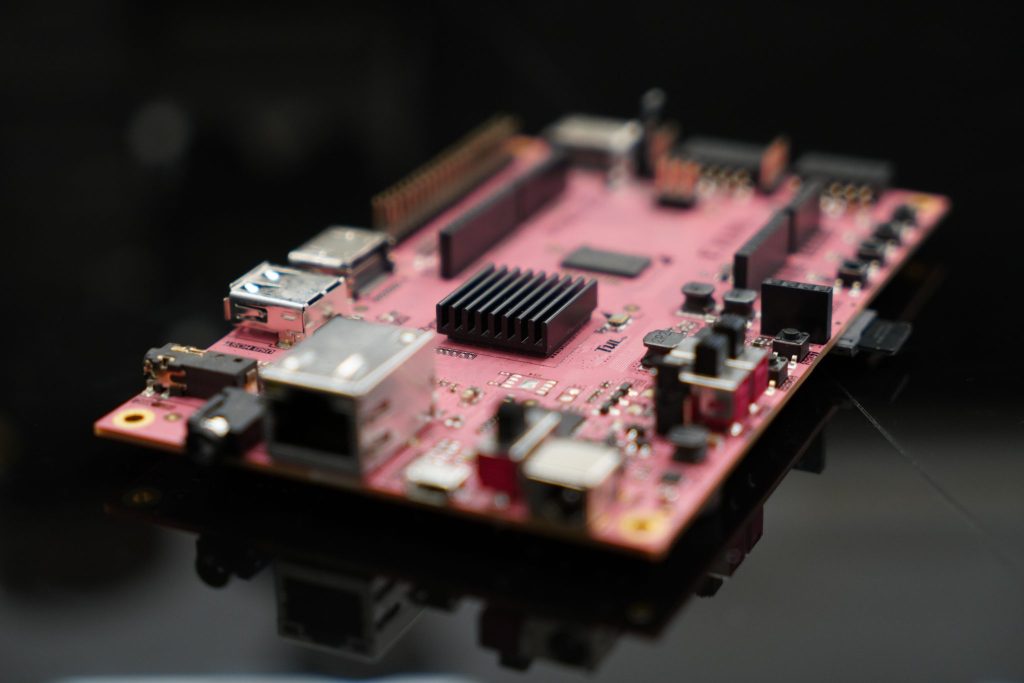
The integration of Deep Learning models with FPGA (Field-Programmable Gate Array) platforms, like PYNQ Z2, offers advantages such as adaptability and performance. This article explores the technical steps of this integration, from the initial model training phase to achieving high inference speeds on the FPGA. This is a representation of a full workflow in FPGA terms.
